函数 malloc/calloc/realloc,free

封装得太好,内存对于程序员来说就是一黑箱操作

内存碎片问题很烦

随机的bug大概率跟 内存有关系

如何避免内存碎片的产生?

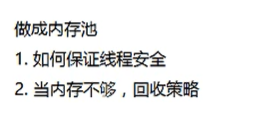
内存池。

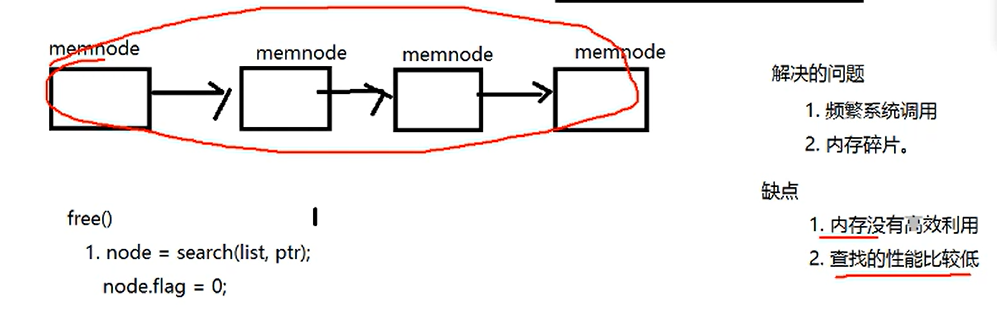
第一个版本,分配的块用链表串起来

分配:找到一个flag=0的块就使用,没有就新建

释放:

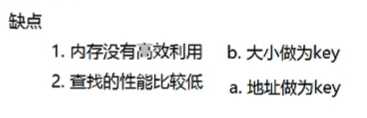
第二个版本,解决第一个版本的缺点:内存利用率以及查找性能问题

比链表查找效率高的组件:rbtree,skiplist,btree,hash

根据大小查找 key为内存大小

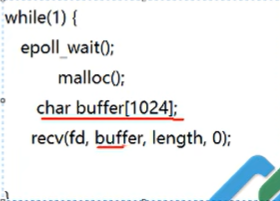
以下做法buffer出不了while循环

以下做法会出现大量的1k 内存块

解决以上问题,需要引入大块拆成大块,小块拆成大块的做法

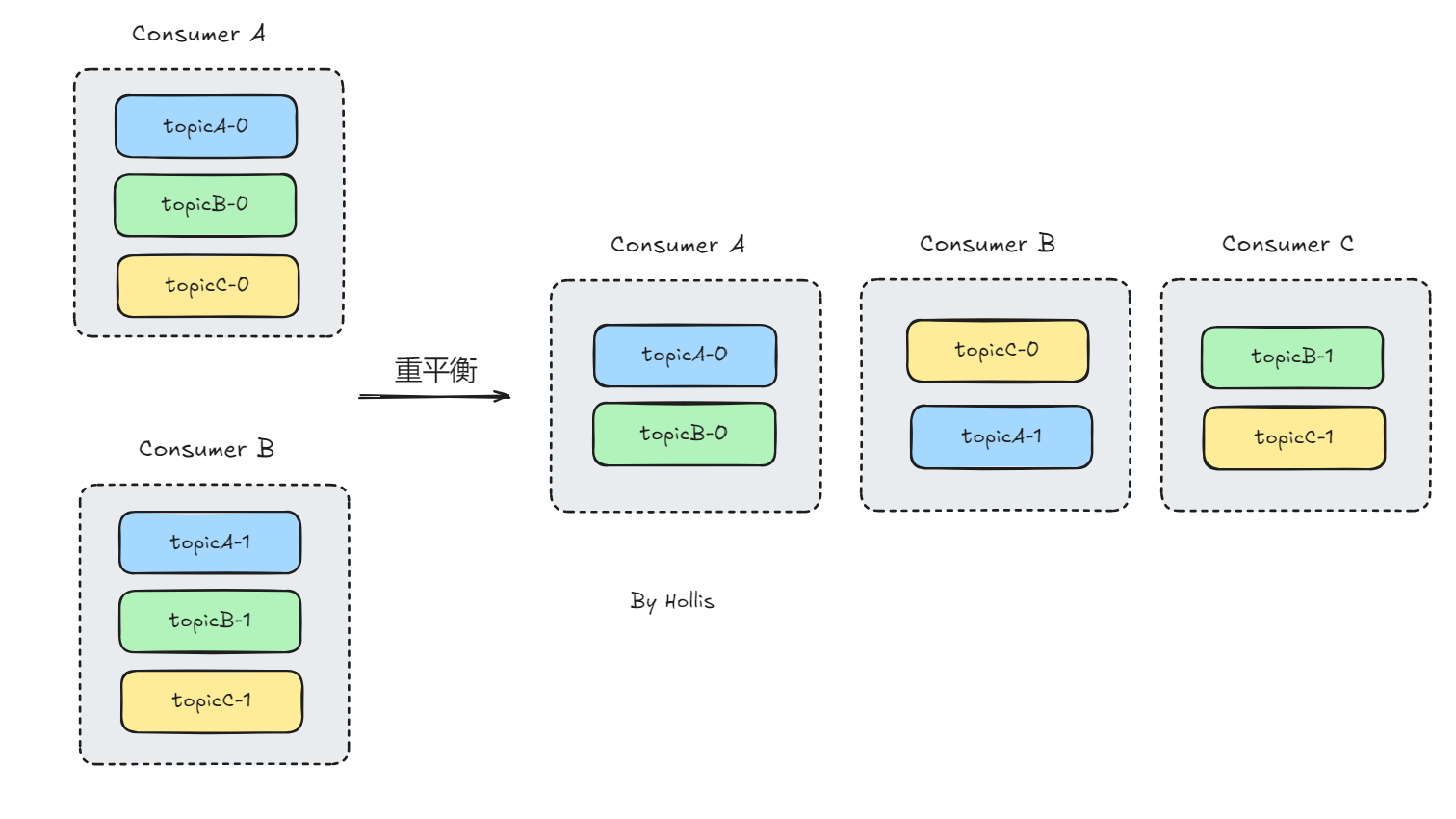
它是指当我们的Consumer数量发生变动时,kafka会重新分配topic partition给Consumer,以保证每个

Consumer的分区数量尽可能均衡

简单地说就是实现消费者负载均衡

重平衡的3个触发机制:

1、Consumer数量发送变化

2、订阅的partition发生变化

3、订阅的topic发生变化

当kafka集群要出发重平衡机制时,大致的步骤

  1. 暂停消费
  2. 计算分区分配方案
  3. 通知消费者
  4. 重新飞陪分区
  5. 恢复消费

重平衡会造成 Consumer的 STW,我们应该尽量避免触发它

ISR,In-Sync Replicas 同步副本拿到意思

在每个kafka中,每个topic partition可以有多个replica。ISR是与Leader replica保持同步的follower

replica集合

可以说ISR机制就是确保数据的可靠性和一致性的

当消息被sender线程发送后,它会先被写入Leader副本,然后再由follower主动轮询Leader同步消息

只有ISR中的所有副本成功接收到并确认了消息后,主副本才会认为消息已经成功提交

ISR列表维护

什么时候follower会被移除出ISR列表

replica.lag.max.messages

在0.9x之前是,表示follower落后Leader这个数就会被移除

这个就有大问题,如果高并发场景,Leader一下子收到几万条消息,那么所有follower都会被驱逐

在0.9x后,

新增了replica.lag.max.ms

表示follower的LEO一直落后Leader超过这个replica.lag.max.ms时间,才会被移除出境

HW

高水平位,用于控制哪些消息是对Consumer可读的。个普通消费者只能“看到”Leader副本上介于Log

Start Offset和HW(不含)之间的所有消息。follower同步完消息后会更新HW

也就是说在HW之前的数据都是已经被所有的Follower所同步,比较安全

HW取自于所有follower副本的 LEO

LEO

Log End Offset。消息的末尾偏移,表示日志下一条待插入消息的位移值。比如当时log文件里有10条

日志,位移值从0开始,那么,第10条消息的位移值就是9。此时,LEO = 10。

follower故障:

follower长时间没和Leader同步,就会被提出ISR(follower同步集合)。待follower恢复后,会读取本地的H

W,然后截取Log上大于HW的部分,进行同步。当该follower的LEO大于HW,即代表follower追上Leader就

会重新加入ISR

Leader故障

Leader故障后,由Controller从 ISR中选取一个follower成为新的Leader。之后为了保证多个follower副本数

剧一致性,其余的follower会将log中高于新Leader的LEO的部分截掉,然后从新的Leader同步数据

比如一个Leader现在有 3个follower,F1:读到了3,F2:读到了5,F3:读到了4。此时HW=min()=3

然后这时候Leader宕机了,F1成为了新的Leader,F2就会丢弃3-5的消息,F4丢弃4-5的消息

那如果F2成为了Leader呢?F1和F2就不会丢?
双端队列区别于普通的队列,可以直接往队列头塞元素,这样可以满足分区内数据有序性,再尝试发送。

DQ由RecordAccumulator维护

一个topic里的partition都会对应一个DQ

1
2
3
4
5
6
7
8
9
10
11
12
13
14
15
16
17
18
19
20
21
22
23
24
25
26
27
28
29
30
31
32
33
/**
::方法内容
-> : 方法调用方法

**/

sendProducerRequest():
//回调
RequestCompletionHandler callback = response -> handleProduceResponse(response, recordsByPartition, time.milliseconds());
->
handleProduceResponse() ->
completeBatch() :
if (canRetry(batch, response, now)) {
//......

//消息从新入队
reenqueueBatch(batch, now);
}
reenqueueBatch: this.accumulator.reenqueue(batch, currentTimeMs);
/**
* Re-enqueue the given record batch in the accumulator. In Sender.completeBatch method, we check
* whether the batch has reached deliveryTimeoutMs or not. Hence we do not do the delivery timeout check here.
*/
public void reenqueue(ProducerBatch batch, long now) {
batch.reenqueued(now);
Deque<ProducerBatch> deque = getOrCreateDeque(batch.topicPartition);
synchronized (deque) {
if (transactionManager != null)
insertInSequenceOrder(deque, batch);
else
deque.addFirst(batch);
}
}

必看

回溯模版的解释

1
2
3
4
5
6
7
8
9
10
11
12
13
14
//向数组中的每个整数前添加 '+' 或 '-'

//对于每个节点两种选择: + or -。不能硬套模版
/**
fun dfs():
for(int i = 0; i < nums.length; i++){
add
dfs
delete
}
以上是因为每个节点都有多选择 比如 排列,组合


*/

岛屿数量[289]

思路:

1.

1
2
3
4
5
6
7
8
9
10
11
12
13
14
15
16
17
18
19
20
21
22
23
24
25
26
27
28
29
30
31
32
33
class Solution {
int [][]direct={{1,0},{0,1},{-1,0},{0,-1}};
public int numIslands(char[][] grid) {
int res=0;
for(int i=0;i<grid.length;i++){
for(int j=0;j<grid[0].length;j++){
if(grid[i][j]=='1'){
res++;
dfs(grid,i,j);
}
}
}
return res;
}
public void dfs(char [][]grid,int x,int y){
if(x<0||y<0||x>=grid.length||y>=grid[0].length){
return;
}
if(grid[x][y]=='0'){
return;
}
else {
//用海水把陆地淹掉,相当于valid数组的作用
grid[x][y]='0';
}
for(int i=0;i<4;i++){
//四个方向
int nextX=x+direct[i][0];
int nextY=y+direct[i][1];
dfs(grid,nextX,nextY);
}
}
}

@週刊少年 时间复杂度BFS会低一点,空间复杂度感觉DFS会好一点(但是要考虑递归调用的堆栈的空间就不好说了)

被问到深度优先和广度优先的差别、计算时间空间复杂度
面试用BFS写出来了,然后让我用并查集再写一个,字节

全排列[277]

思路:

  1. used[i] 用于控制 防止走回头路
1
2
3
4
5
6
7
8
9
10
11
12
13
14
15
16
17
18
19
20
21
22
23
24
25
26
27
class Solution {
List<List<Integer>> res=new ArrayList<>();
//存放路径
List<Integer> path=new ArrayList<>();
public List<List<Integer>> permute(int[] nums) {
boolean []used=new boolean[nums.length];
dfs(nums,used);
return res;
}
public void dfs(int []nums,boolean []used){
if(path.size()==nums.length){
res.add(new ArrayList<>(path));
}
for(int i=0;i<nums.length;i++){
if(used[i]){
continue;
}
//递归
path.add(nums[i]);
used[i]=true;
dfs(nums,used);
//回溯
path.removeLast();
used[i]=false;
}
}
}

时间复杂度:

问题类型 是否需要 startIndex 控制逻辑 示例
排列 Permutation ❌ 不需要 used[i] 防止重复选 [1,2] vs [2,1] 都算不同
组合 Combination ✅ 必须 startIndex 防止重复,为了防止来回选,必须 保证后面的选择只能从当前元素后面开始 [1,2][2,1] 视为相同

全排列 II[57]

去重版的全排列 I,用HashSet存结果集即可

课程表[56]

思路:

  1. spring
1
2
3
4
5
6
7
8
9
10
11
12
13
14
15
16
17
18
19
20
21
22
23
24
25
26
27
28
29
30
31
32
class Solution {
//k:
Map<Integer, List<Integer>> graph = new HashMap<>();
Set<Integer> wait = new HashSet<>(); // 当前正在修的课程(类似 wait 集合)
Set<Integer> completed = new HashSet<>(); // 已确认可修完的课程(类似缓存)

public boolean canFinish(int numCourses, int[][] prerequisites) {
// 构建依赖图
for(int i=0;i<numCourses;i++) graph.put(i, new ArrayList<>());
for(int[] pre : prerequisites) graph.get(pre[1]).add(pre[0]);

// 遍历所有课程
for(int i=0;i<numCourses;i++)
if(!completed.contains(i) && !dfs(i)) return false;

return true;
}

private boolean dfs(int course) {
if(wait.contains(course)) return false; // 当前路径已出现 → 有环
if(completed.contains(course)) return true; // 已确认可完成

wait.add(course); // 加入 wait 集合(正在修)
for(int next : graph.get(course)) {
if(!dfs(next)) return false; // 依赖课程不可修完 → 当前也不可修
}
wait.remove(course); // 移出 wait 集合
completed.add(course); // 加入已完成缓存
return true;
}
}

交错字符串[27]

单词拆分[64]

思路:

DFS + 记忆化搜索

还是得把回溯树给画出来,才清晰易懂!!!(明天来搞)

https://leetcode.cn/problems/word-break/solutions/302779/shou-hui-tu-jie-san-chong-fang-fa-dfs-bfs-dong-tai/

竟然可以记忆化,说明可以转成DP

判断可能性大概率是 DP

1
2
3
4
5
6
7
8
9
10
11
12
13
14
15
16
17
18
19
20
21
22
23
24
25
26
27
28
class Solution {
Boolean []memory ;
public boolean wordBreak(String s, List<String> wordDict) {
memory = new Boolean[s.length()];
return dfs(s, 0, wordDict);
}
//leetcode7
//leet code
public boolean dfs(String s,int startIndex,List<String> wordDict){
if(startIndex == s.length()) return true;
if(memory[startIndex] != null){
return memory[startIndex];
}
for(String word: wordDict){
int nextStartIndex = startIndex + word.length();
if(nextStartIndex > s.length()){
continue;
}
//startsWith:s中startIndex开头的子串是否以word开头
if(s.startsWith(word, startIndex) && dfs(s,nextStartIndex,wordDict)){
memory[startIndex] = true;
return true;
}
}
memory[startIndex] = false;
return false;
}
}

电话号码的字母组合[19]

思路:

  1. 回溯,最基础的题了。可以细想一下这个递归,最容易的一次
1
2
3
4
5
6
7
8
9
10
11
12
13
14
15
16
[abc]

[iop]
交叉相乘,笛卡尔集

排列何尝不是一种算 笛卡尔集合
[a b c]
[a b c]
[a b c]
abb 只不过递归的集合不断为自己本身

for (int i = 0; i < t.get(tIndex).length(); i++) {
path.append(t.get(tIndex).charAt(i));
dfs(tIndex + 1);
path.deleteCharAt(path.length() - 1);
}
1
2
3
4
5
6
7
8
9
10
11
12
13
14
15
16
17
18
19
20
21
22
23
24
25
26
27
28
29
30
31
32
33
34
35
36
class Solution {
Map<Integer, String> map = new HashMap();
List<String> t = new ArrayList();
List<String> res = new ArrayList();
StringBuilder path = new StringBuilder();

public List<String> letterCombinations(String digits) {
map.put(1, "");
map.put(2, "abc");
map.put(3, "def");
map.put(4, "ghi");
map.put(5, "jkl");
map.put(6, "mno");
map.put(7, "pqrs");
map.put(8, "tuv");
map.put(9, "wxyz");

for (char c : digits.toCharArray()) {
t.add(map.get(c - '0'));
}
dfs(0);
return res;
}

public void dfs(int tIndex) {
if (path.length() == t.size()) {
res.add(path.toString());
return;
}
for (int i = 0; i < t.get(tIndex).length(); i++) {
path.append(t.get(tIndex).charAt(i));
dfs(tIndex + 1);
path.deleteCharAt(path.length() - 1);
}
}
}

删除无效的括号[18]

思路

  1. 将左右括号 -+化
  2. 对于path,则在参数中update

1
2
3
4
5
6
7
8
9
10
11
12
13
14
15
16
17
18
19
20
21
22
23
24
25
26
27
28
29
30
31
32
33
34
35
36
37
38
39
40
41
42
43
44
45
46
47
48
49
50
51
52
53
54
55
56
57
58
59
60
61
62
class Solution {
Set<String> res = new HashSet();
int max = 0;
String s;
int n;
//最大路径长度
int maxPathLen = 0;
public List<String> removeInvalidParentheses(String _s) {
//左右括号
int l = 0;
int r = 0;
s = _s;
n = s.length();
for(char c: s.toCharArray()){
if(c == '(') l++;
else if(c == ')') r++;
}
//max:最大括号数(单括号)
max = Math.max(l, r);
dfs(0, "", 0);
return new ArrayList(res);
}
/**
* 遍历 _s 字符串,记录有效路径
* @param curCharIndex 当前遍历的字符下标
* @param path 遍历时的路径(括号组合字符串)
* @param score 分数,用于标记左右括号的得分,左则+1,右则-1
*/
public void dfs(int curCharIndex, String path, int score){
//不合法情况,0 <= score <= max
if(score < 0 || score > max) return;

//当下标等于字符串长度,即遍历完时,则说明搜索完成,保存合法结果到 set
if(curCharIndex == n){
//只有score == 0结果才合法,并且当前路径长度要大于最大路径子串的长度才记录或者更新
//小于最长路径子串就不用更新了
if(score == 0 && path.length() >= maxPathLen){
//为什么要有这一步,因为题目要求 删除最小数量的无效括号,换句话说,就是你结果集里的合法字符串要为最长的
//如果有更长的了,就把前面的clear掉
if(path.length() > maxPathLen) res.clear();

//更新最大路径子串
maxPathLen = path.length();
res.add(path);
}
return;
}
//当前字符
char c = s.charAt(curCharIndex);

//对于( ) 都有选和不选两种选择
if(c == '('){ // 选左括号,score + 1;不选score不变
dfs(curCharIndex + 1, path + c, score + 1);
dfs(curCharIndex + 1, path, score);
}
else if(c == ')'){// 选左括号,score - 1;不选score不变
dfs(curCharIndex + 1, path + c, score - 1);
dfs(curCharIndex + 1, path, score);
}//选正确字符不变
else dfs(curCharIndex + 1, path + c, score);
}
}

戳气球

思路

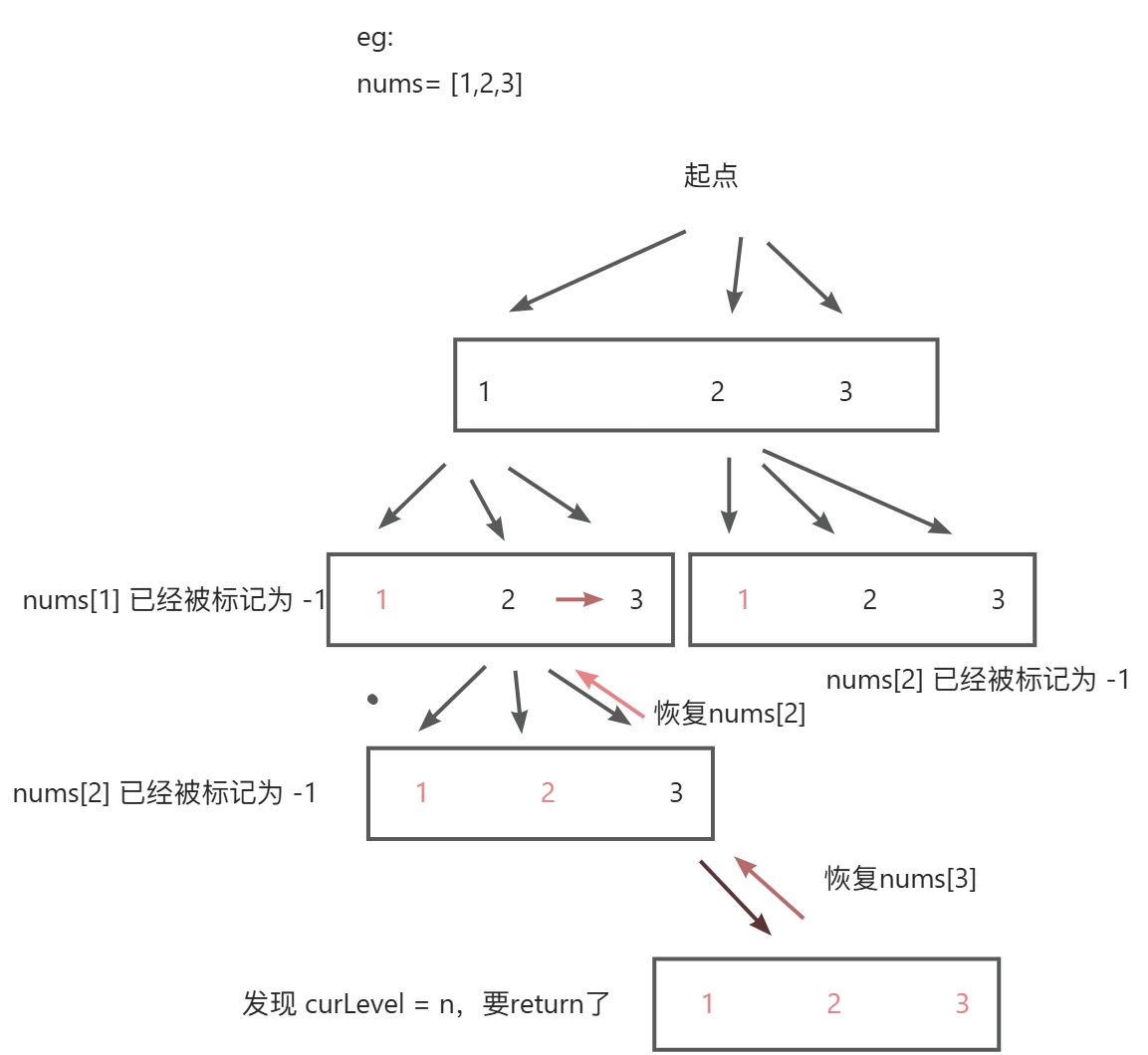
  1. dfs + 回溯,有一个n层的数组,然后我往下走,戳当前i节点,并在下次递归之前把当前节点置为 -1,防止重复选,curLevel == n时更新结果。但超时,得进行记忆化

回溯树:

画板

1
2
3
4
5
6
7
8
9
10
11
12
13
14
15
16
17
18
19
20
21
22
23
24
25
26
27
28
29
30
31
32
33
34
35
36
37
38
39
40
41
42
43
44
45
46
class Solution {
int n;
int res = 0;
public int maxCoins(int[] nums) {
n = nums.length;
dfs(nums, 0, 0);
return res;
}
public void dfs(int[] nums, int curLevel, int curCoin){
//回溯:一个n层的数组,我们从第一层走到底n层
//nums[i] = -1来防止 重复选
//为什么不是startIndex,这个主要是决定 选元素只能从startINdex后开始选,而不能往回选,对于组合这种 1 2和 2 1是一样的
if(curLevel == n){
res = Math.max(res, curCoin);
return;
}
for(int i = 0; i < nums.length; i++){
if(nums[i] == -1){
continue;
}
int midQ = nums[i];
//左测的气球编号
int lQ = 1;
//右侧的气球编号
int rQ = 1;
int l = i - 1;
int r = i + 1;
while(l >= 0 && nums[l] == -1){
l--;
}
if(l < 0) lQ = 1;
else lQ = nums[l];
while(r < nums.length && nums[r] == -1){
r++;
}
if(r >= nums.length) rQ = 1;
else rQ = nums[r];
int add = lQ * midQ * rQ;
nums[i] = -1;

//右侧的气球
dfs(nums, curLevel + 1, curCoin + add);
nums[i] = midQ;
}
}
}

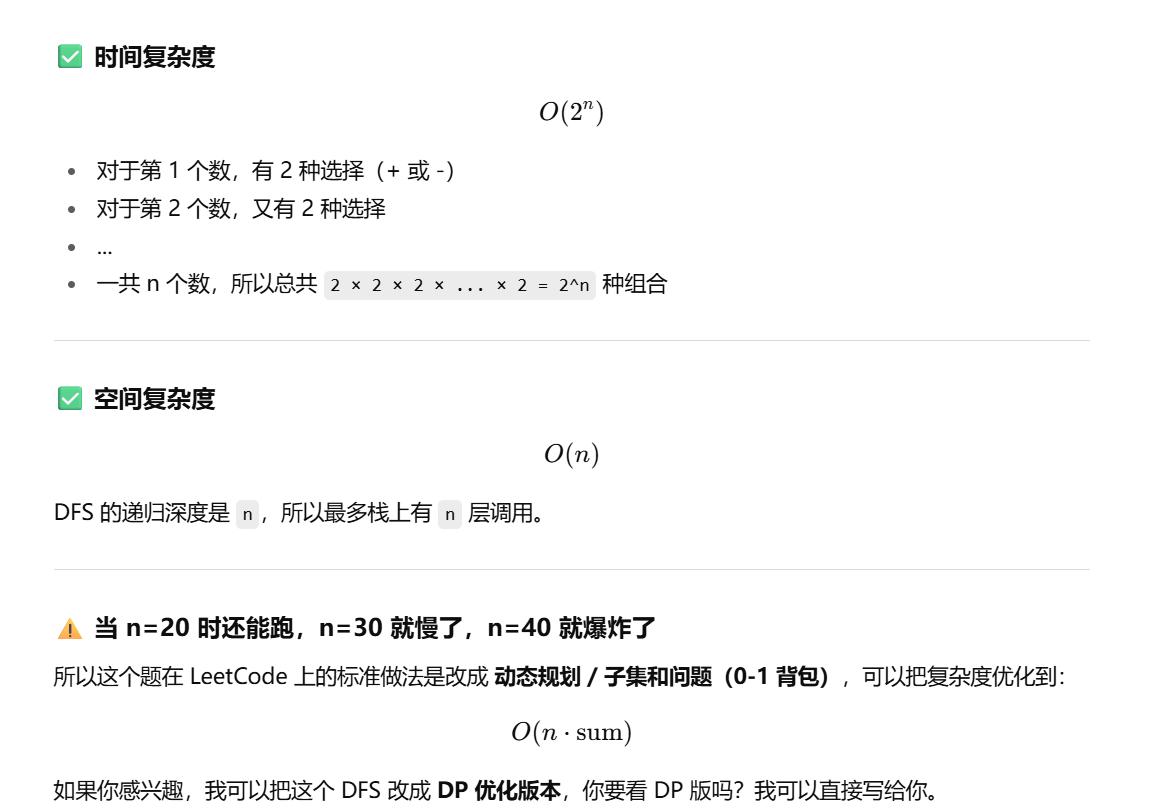
时间复杂度 = O(n! × n)

  1. dp,dp[i][j] 表示 i 到 j能获得的最大金币
  2. dp[i][j] = 区间内的最大。那么dp[i][i + len] = res;
1
2
3
4
5
6
7
8
9
10
11
12
13
14
15
16
17
18
19
20
21
22
23
24
25
26
27
28
29
30
class Solution {
public int maxCoins(int[] nums) {
int n = nums.length;
// 创建一个辅助数组,并在首尾各添加1,方便处理边界情况
int[] temp = new int[n+2];
temp[0] = 1;
temp[n+1] = 1;
for(int i=0; i<n; i++){
temp[i+1] = nums[i];
}
int[][] dp = new int[n+2][n+2];
// len表示开区间长度
for(int len=3; len<=n+2; len++){
// i表示开区间左端点
for(int i=0; i<=n+2-len; i++){
int res = 0;
// k为开区间内的索引
for(int k = i+1; k<i+len-1; k++){
int left = dp[i][k];
int right = dp[k][i+len-1];
//dp[i][j] 表示 i 到 j能获得的最大金币
//(i....k) k (k.... i + len -1)
res = Math.max(res, left + temp[i]*temp[k]*temp[i+len-1] + right);
}
dp[i][i+len-1] = res;
}
}
return dp[0][n+1];
}
}

目标和[22]

思路

  1. DFS
  2. 每个节点两种选择 + or -

比较简单的回溯,和普通的回溯的区别,就是在循环过程中,如果是像组合排列这些题,就需要往后遍历找,即树的宽度不定,而这题则树宽为 1,每次直接一个数递归下去即可,不用循环。

1
2
3
4
5
6
7
8
9
10
11
12
13
14
15
16
17
18
19
20
21
22
23
24
25
26
27
28
29
30
class Solution {
int res = 0;
public int findTargetSumWays(int[] nums, int target) {

dfs(nums, target, 0, 0);
return res;
}
public void dfs(int[] nums, int target, int numIndex, int sum){
if(numIndex == nums.length){
if(target == sum) res++;
return ;
}
//向数组中的每个整数前添加 '+' 或 '-'

//对于每个节点两种选择: + or -。不能硬套模版
/**
fun dfs():
for(int i = 0; i < nums.length; i++){
add
dfs
delete
}
以上是因为每个节点都有多选择 比如 排列,组合


*/
dfs(nums, target, numIndex + 1, sum + nums[numIndex]);
dfs(nums, target, numIndex + 1, sum - nums[numIndex]);
}
}

路径总和 II[75]

题目:

求叶子节点到根节点 路径和 为target的路径

思路:

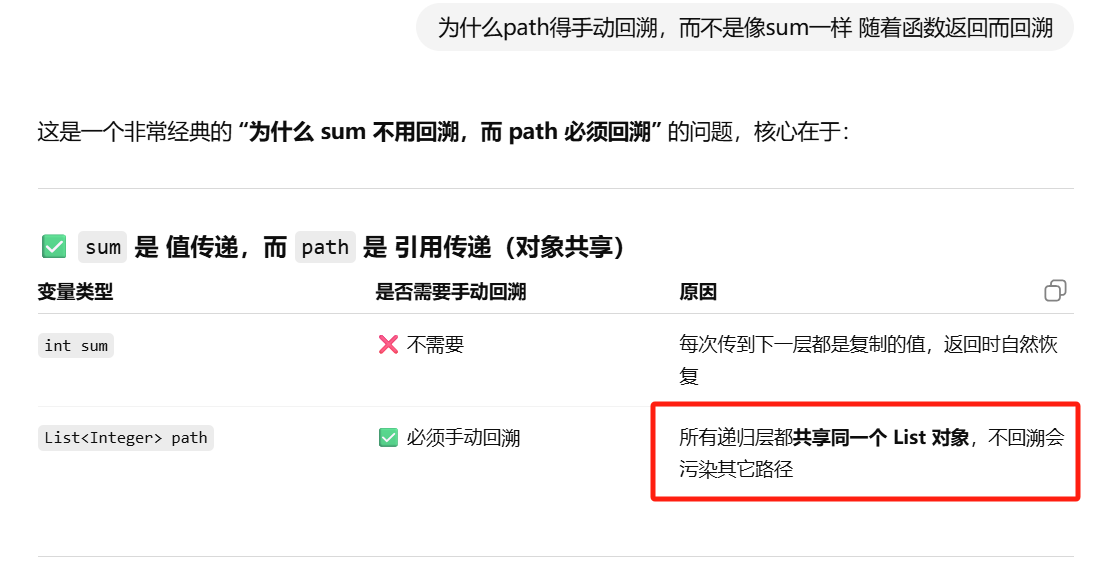
  1. dfs 回溯。
  2. 注意!!! 叶子结点定义,root.left == null && root.right == null
1
2
3
4
5
6
7
8
9
10
11
12
13
14
15
16
17
18
19
20
21
22
23
24
25
26
27
28
29
30
31
32
33
34
35
36
37
38
39
40
41
42
43
44
45
46
47
48
49
50
51
52
53
/**
* Definition for a binary tree node.
* public class TreeNode {
* int val;
* TreeNode left;
* TreeNode right;
* TreeNode() {}
* TreeNode(int val) { this.val = val; }
* TreeNode(int val, TreeNode left, TreeNode right) {
* this.val = val;
* this.left = left;
* this.right = right;
* }
* }
*/
class Solution {
List<List<Integer>> res = new ArrayList();

public List<List<Integer>> pathSum(TreeNode root, int targetSum) {
if(root == null) return new ArrayList(res);
dfs(root, targetSum, 0, new ArrayList());
return res;
}

public void dfs(TreeNode root, int targetSum, int sum, List<Integer> path) {
if (root == null) {
// if (sum == targetSum)
// // res.add(path.chars()
// // .map(e -> e - '0')
// // .boxed()
// // .collect(Collectors.toList()));
// res.add(new ArrayList(path));
// return;
return ;
}

sum += root.val;
//System.out.println(sum);
path.add(root.val);
//System.out.println(path);

//到达叶子节点
if(root.left == null && root.right == null){
if (sum == targetSum)
res.add(new ArrayList(path));
//return; 肯定不能return啊,因为它是叶子结点到根节点
}
dfs(root.left, targetSum, sum, path);
dfs(root.right, targetSum, sum, path);
//回溯
path.remove(path.size() - 1);
}
}

跨域就是指跨 同一个协议,域名,端口进行数据请求,常见在现在前后端分离部署的场景。这主要是浏览器的一个安全策略,就是防止钓鱼网站携带像你的cookie像你的bank网站请求。然后我们正常开发要解决这种跨域问题,一般就得在服务端的响应头里CORS相关字段

1
2
3
4
5
6
7
HTTP/1.1 204 No Content
// 相信的前端页面网址,也就只有这个网址,服务端能放行
Access-Control-Allow-Origin: https://app.bank-partner.com
Access-Control-Allow-Methods: GET, POST, PUT, DELETE
Access-Control-Allow-Headers: Content-Type, Authorization
Access-Control-Allow-Credentials: true